





Many precious metals traders eventually reach the same stage in their trading journey. They spend countless hours studying technical indicators and market analysis, yet consistent performance in live trading remains difficult to achieve. The reason is simple: market analysis is only one part of successful trading. Long-term consistency depends just as much on disciplined execution, effective risk management, and the ability to follow a well-defined trading plan.
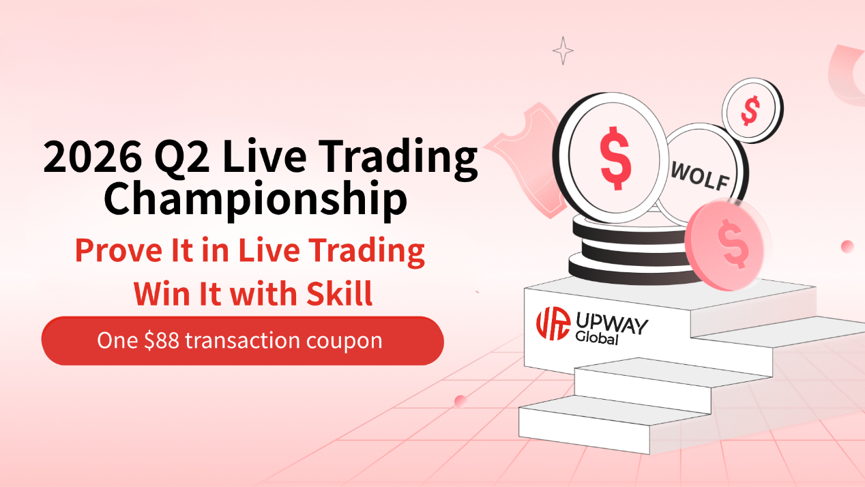
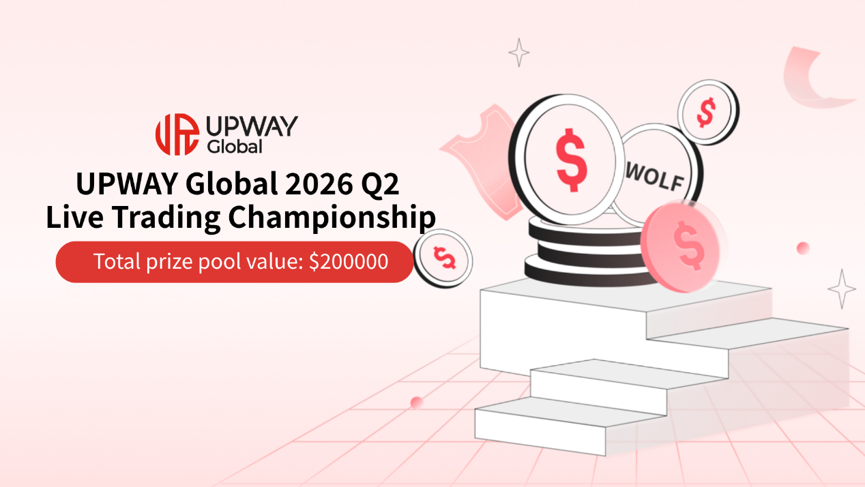
As a result, live trading competitions have become an increasingly valuable way for traders to evaluate their strategies under real market conditions. Open to participants worldwide, the UPWAY Global 2026 Q2 Live Trading Championship has attracted strong interest from precious metals traders looking to gain practical experience while testing their trading systems in a competitive environment.
The value of a live trading competition varies depending on a trader's level of experience.
For newer traders, the biggest challenge is often the transition from demo trading to real-market execution. Emotional responses to profits and losses can easily disrupt an otherwise solid trading plan. A structured competition introduces fixed rules, standardized performance tracking, and transparent trading records, encouraging participants to stay disciplined throughout the event. By operating within a clearly defined framework, traders have an opportunity to improve consistency, avoid emotional decision-making, and build better trading habits under real market conditions.
More experienced traders approach competitions from a different perspective. Rather than focusing solely on returns, they use the event to benchmark their strategies against other active market participants. Since competitors are trading under the same market conditions, differences in execution, position management, and risk control become easier to observe, providing valuable insight into the strengths and weaknesses of different trading approaches.
For seasoned traders, a live competition serves as a real-world stress test. Volatile markets, ranging from trending conditions to rapid reversals and high-impact news events, create opportunities to evaluate whether a trading system can remain effective across different market environments. This process helps identify areas for refinement while strengthening long-term consistency.
That is one of the key reasons many experienced traders continue participating in live trading competitions. Rather than viewing them as prize contests, they see them as opportunities to validate and improve their trading methodologies over time. Transparent rankings offer immediate performance feedback, while complete trading records make post-event analysis significantly more meaningful. Reviewing both successful and unsuccessful trades allows participants to evaluate not only profitability but also execution quality, discipline, and the effectiveness of their risk management.
The long-term value of a well-organized precious metals trading competition extends beyond awards or rankings. Over time, recurring events generate a growing collection of real trading examples and practical experiences, creating a valuable learning resource for the broader trading community.
No single strategy performs well in every market condition, and no individual winning trade guarantees long-term success. Sustainable improvement comes through continuous testing, evaluation, and refinement. That is where live trading competitions provide lasting value—offering traders an environment where ideas can be tested objectively, lessons can be learned from real market performance, and trading skills can evolve through experience rather than theory alone.
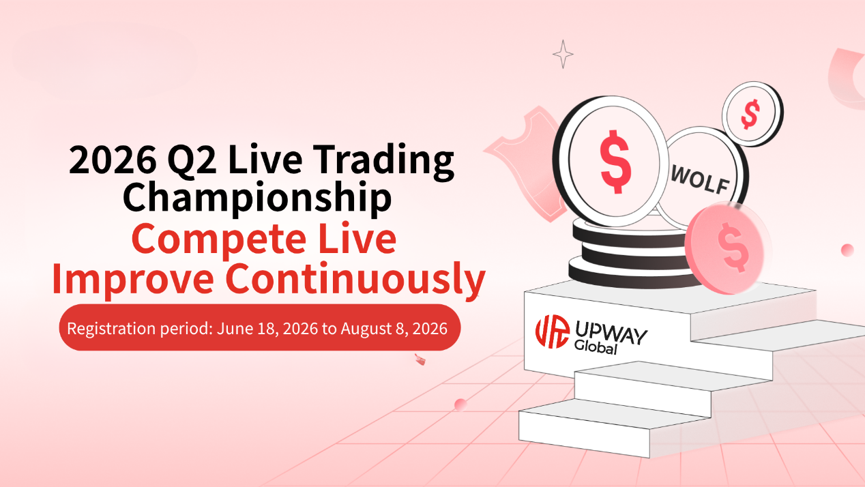
Registration for the UPWAY Global 2026 Q2 Live Trading Championship remains open through August 8. For traders seeking to evaluate their strategies, strengthen risk management, and improve execution, participating in a structured live trading competition can provide valuable practical experience. Every competition becomes another opportunity to review performance, refine a trading approach, and take another step toward building a more consistent trading system.