







Gold has long been viewed as a haven asset, watched closely by casual observers, physical bullion buyers, and market followers alike. If you are new to precious metals, your first question is straightforward: where can you find accurate gold prices, and what differences exist between the quotes you see online?
Before jumping into tools, it helps to understand the basics. The global benchmark for spot gold is commonly quoted as XAU/USD, priced per troy ounce. Many people confuse spot gold prices with jewellery or retail bullion prices. The spot price reflects the wholesale market value, while physical gold products carry premiums for fabrication, shipping and dealer margins. This is why prices on jewellery sites will almost always sit higher than the live spot rate.
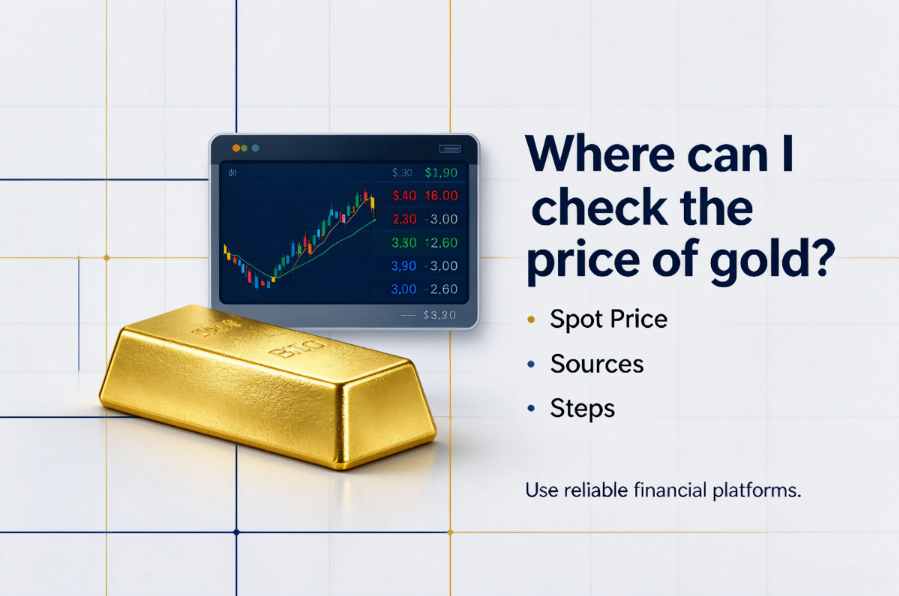
There are several common places to check gold prices. Major financial news sites publish gold tickers alongside forex and equity data. These are convenient for a quick snapshot, though many carry a small data delay. Specialised precious metal websites focus entirely on gold, silver and platinum, offering streaming charts, historical price records and regular market commentary. Institutional benchmarks such as the LBMA Gold Price set fixed reference points twice each London trading day, best used for long-term reference rather than intraday tracking.
One thing to note: minor price mismatches between sources are normal. Variations come from data feed latency, different refresh speeds and bid-ask spreads. No two platforms will show identical numbers at every split second, which is why many experienced followers cross-check more than one source.
For those who want live XAU/USD charts bundled with simple market context, UPWAY Global (https://www.jrjr.com/en/?340) is a practical option worth considering. It delivers continuously updated precious metals quotes and flexible charting tools, letting users toggle timeframes and check historical swings without switching between multiple tabs. It works well both on desktop and mobile for anyone who wants a clean, all-in-one view when following gold.
No matter which source you choose, the best habit is to pair price data with market context. Gold moves in response to US dollar strength, inflation trends, central bank signals and risk sentiment across global markets. A raw number on a chart only tells half the story.
If you follow gold regularly, pick one or two trusted sources you are comfortable with. Consistent, transparent pricing data will help you build a clearer sense of how this timeless asset behaves through shifting market cycles.
Disclaimer:This content is for informational purposes only and should not be construed as financial advice.